
Business Cards Printing in Australia: The Complete Guide for Organisations
Discover how to get the best business cards printing results in Australia — from finishes and formats to bulk ordering tips for businesses and schools.

Written by
Lydia Park
Stationery & Office
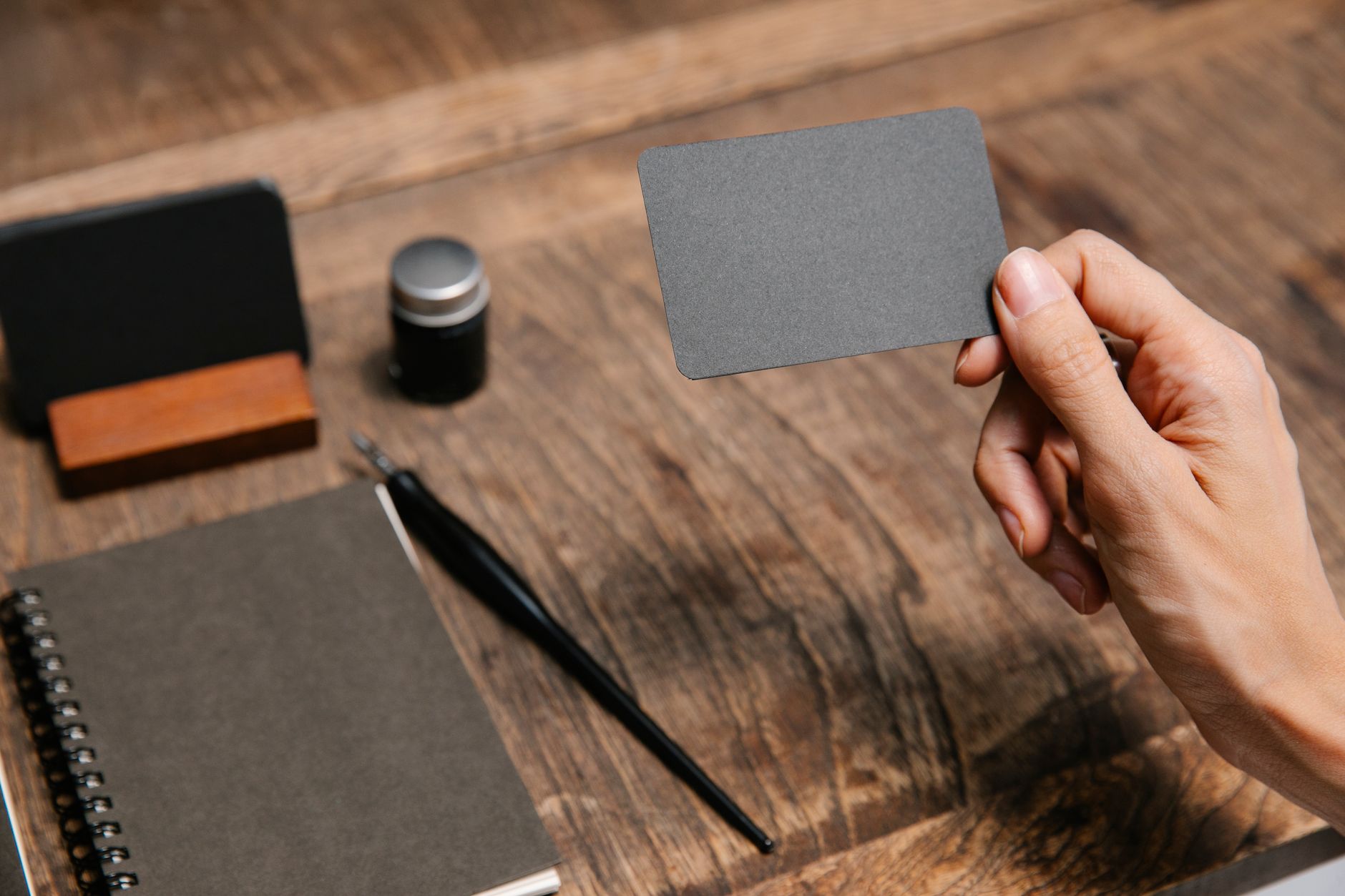
Despite living in an increasingly digital world, business cards remain one of the most powerful and cost-effective networking tools available to Australian organisations. Whether you’re a Sydney-based startup attending your first industry expo, a Melbourne real estate agent handing cards to prospective buyers, or a Brisbane school coordinating cards for administrative staff, the quality of your printed business card sends an immediate message about your brand. Done right, business cards printing is far more than a formality — it’s a tangible representation of your professionalism, your attention to detail, and your brand identity.
This guide covers everything you need to know about ordering business cards in Australia, from choosing the right card stock and finishes to understanding printing methods, turnaround times, and cost considerations.
Why Business Cards Still Matter in 2026
It might seem like business cards have had their day, but the numbers tell a different story. High-quality printed cards continue to circulate at trade shows, corporate events, conferences, and networking functions across Australia every single week. A well-designed card handed over during a face-to-face meeting creates a physical connection that a LinkedIn profile simply cannot replicate.
For Australian businesses, the business card is often the first branded touchpoint a prospect or partner encounters. Think about it: a Perth-based architect hands over a thick matte black card with embossed lettering, or an Adelaide accountant presents a clean, double-sided card with a professional headshot — both situations communicate credibility before a single word is spoken.
Business cards are also a natural companion to a broader branded stationery and merchandise strategy. Many organisations that invest in wholesale corporate gifts in Australia find that pairing quality cards with branded merchandise creates a cohesive, memorable impression at events and client meetings.
Understanding the Business Cards Printing Process
Before placing an order, it helps to understand the fundamentals of how cards are printed commercially in Australia. Most professional card printing falls into two main categories: digital printing and offset printing.
Digital Printing
Digital printing is the most common method for small to medium business card runs. It’s fast, cost-effective, and delivers excellent colour accuracy. For most organisations ordering between 250 and 2,000 cards, digital printing is the ideal choice. Turnaround times typically range from two to five business days for standard orders, though rush order options are available through specialist suppliers for urgent needs.
Offset Printing
Offset printing involves transferring ink from plates to a rubber blanket before applying it to the card stock. This method produces sharper, more consistent results — particularly for large volumes or when precise PMS colour matching is critical. If your brand guidelines specify exact Pantone colours, offset printing is worth the investment. It’s the preferred choice for premium corporate accounts or organisations ordering 5,000+ cards at a time.
Other Printing Techniques
Some suppliers offer specialty finishes achieved through additional processes:
- Foil stamping: Metallic gold, silver, or coloured foil applied to select design elements
- Letterpress: A tactile, debossed impression pressed into thick card stock
- UV spot coating: A high-gloss varnish applied to specific areas for contrast
- Laser cutting: Custom shapes or intricate cut-outs for standout cards
These premium techniques typically suit established brands or industries where visual presentation carries significant weight — luxury real estate, law firms, financial advisory firms, and creative agencies, for example.
Choosing the Right Card Stock and Finish
The paper stock (or substrate) you choose is just as important as the design. In Australia, business card stock is typically measured in GSM (grams per square metre), and the weight directly affects the feel and perceived quality of your card.
Standard Stock Options
- 350–400 GSM: The sweet spot for most professional business cards. Thick enough to feel substantial without being unwieldy.
- 300 GSM: Lighter and more economical, suitable for high-volume orders where cost is the primary concern.
- 600+ GSM (double-mounted): Two sheets laminated together for an exceptionally heavy, premium feel.
Popular Finishes
Choosing a finish is where you can really differentiate your brand’s card from the crowd.
Matte lamination gives a smooth, non-reflective surface that feels modern and sophisticated. It’s particularly popular in professional services and health sectors.
Gloss lamination adds a shiny, vibrant finish that makes colours pop. Great for photography businesses, hospitality brands, and anyone wanting a bold visual impact.
Soft-touch (velvet) lamination is a premium tactile finish that feels almost velvety. It photographs well and creates a memorable first impression.
Uncoated stock suits businesses going for a natural, organic feel — often paired with sustainable promotional items and eco-conscious branding campaigns.
Standard Sizing and Custom Formats
The standard Australian business card size is 90mm × 55mm, which fits neatly into card holders and wallets. However, custom sizes and shapes are increasingly popular for organisations looking to stand out.
Common alternatives include:
- Square cards (55mm × 55mm): Trendy and memorable, though they don’t always fit standard card holders
- Mini cards (85mm × 45mm): Great for tight budgets or creative industries
- Folded cards: Offer more surface area for content — useful for schools providing staff contact information alongside key policies
- Rounded corners: A subtle but elegant variation on the standard rectangle
For schools in particular, folded cards can serve a dual purpose — listing key contact numbers and class schedules on the inside panel, turning the card into a genuinely useful reference tool.
Business Cards Printing for Different Sectors
Corporate Businesses
For corporate organisations, consistency across a team is essential. Many companies coordinate bulk business card orders across multiple staff members simultaneously. When ordering for a team, look for suppliers who can manage variable data printing — meaning each card in a run can feature a different name, title, phone number, and email address without requiring separate file uploads for each person.
Pair your card order with complementary branded items. Many corporate teams ordering business cards also invest in branded USB flash drives, reusable water bottles, and branded men’s t-shirts for their field sales teams.
Schools and Educational Institutions
From primary schools in Hobart to TAFEs in Darwin, educational institutions increasingly recognise the value of professional business cards for administrative staff, school counsellors, principals, and enrolment officers.
Schools often benefit from combining their stationery orders — cards alongside branded pens (including eco-friendly wheat straw pens) and other office supplies. This approach consolidates supplier relationships and can unlock better pricing across the order.
Events and Conferences
If your organisation is preparing for a trade show or conference, business cards are just one piece of a broader merchandise and stationery suite. Cards are most effective when they reinforce the broader brand experience — matching the colour palette and design language seen on tote bags, lanyards, and event signage.
For organisations attending expos in Sydney, same-day delivery options in Sydney CBD can be a lifesaver when cards or other materials haven’t arrived in time.
Budgeting for Business Cards Printing
Pricing in Australia varies widely depending on quantity, stock, finish, and supplier. Here’s a general breakdown to help set expectations:
| Quantity | Approximate Cost (Standard Digital Print) |
|---|---|
| 250 cards | $40–$80 |
| 500 cards | $60–$120 |
| 1,000 cards | $90–$170 |
| 2,500 cards | $180–$320 |
| 5,000 cards | $280–$500 |
Premium finishes (foil, soft-touch lamination, letterpress) will add anywhere from 30% to 200% on top of base prices. Setup fees for offset printing typically range from $50 to $150, which is absorbed across larger print runs.
Organisations seeking broader cost efficiencies often bundle their card orders with other branded products. Exploring zero waste branded gift sets or eco-friendly promotional ranges alongside stationery can create a stronger, more cohesive brand package for similar or lower per-item cost.
Artwork and File Preparation
Getting your files right before submitting is one of the most important steps in the printing process. Poorly prepared artwork leads to delays, reprints, and wasted budget.
Key requirements for business card files:
- Resolution: Minimum 300 DPI for all images and logos
- File format: PDF (print-ready) is preferred; AI and EPS files are also widely accepted
- Colour mode: CMYK for digital and offset printing (not RGB — RGB is for screens)
- Bleed: Include at least 3mm of bleed around all edges
- Safe zone: Keep all critical content (text, logos) at least 3mm inside the trim line
Most reputable Australian print suppliers will provide a print-ready template upon request. Always request a digital proof before approving a large run — catching an error at proof stage saves significant time and cost.
Key Takeaways for Ordering Business Cards in Australia
Whether you’re placing your first ever order or overhauling your organisation’s stationery suite, approaching business cards printing with a clear plan makes a real difference in the outcome. Here’s what to keep in mind:
- Match the card quality to your brand positioning — a premium finish on quality stock signals professionalism before a word is spoken
- Consider variable data printing for team orders to manage multiple name and contact variations efficiently
- Always request a proof before approving your final print run, especially for offset or specialty print techniques
- Bundle orders where possible — combining business cards with complementary branded items often unlocks better pricing and consistency across your stationery suite
- Plan ahead for turnaround times — standard digital card printing takes 2–5 business days, while specialty finishes or offset runs may require 7–14 business days; always factor this into your event or campaign timeline
- Prepare your files correctly — properly formatted, print-ready artwork in CMYK at 300 DPI with bleed will save you time and prevent reprints
A well-executed business card is a small investment with a potentially significant return — it’s the one branded item that literally ends up in the hands of every contact you make. Take the time to get it right, and your cards will continue working for your brand long after the meeting ends.