
Promotional Grocery Bags: The Complete Guide for Australian Businesses and Schools
Discover how promotional grocery bags can boost brand visibility for Australian businesses, schools, and events. Tips on materials, printing, and ordering.

Written by
Lucy Hassan
Bags & Totes
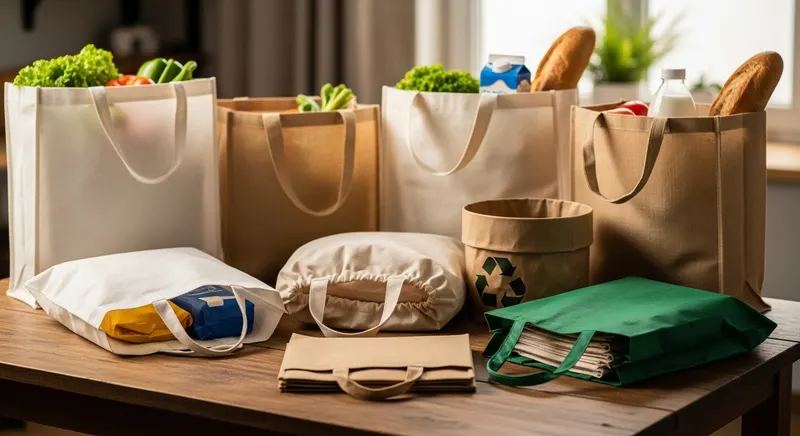
Every time someone carries a branded bag through a supermarket aisle, a farmers market, or a busy shopping strip, your logo goes with them. That’s the quiet power of promotional grocery bags — they’re functional, reusable, and put your brand in front of hundreds of potential customers without any ongoing cost. For Australian businesses, schools, and organisations looking to make a lasting impression, a well-designed branded grocery bag might just be one of the smartest investments in the promotional products toolkit. This guide covers everything you need to know about ordering, designing, and getting the most from your promotional grocery bags in 2026.
Why Promotional Grocery Bags Deliver Outstanding Brand Value
There’s a reason savvy marketers keep coming back to branded bags. Unlike a pen that gets lost in a drawer or a flyer that ends up in the recycling bin, a grocery bag is used repeatedly — often multiple times a week. Studies consistently show that reusable bags are among the highest-retention promotional items available, with recipients keeping them far longer than most other branded merchandise.
For Australian businesses, the timing couldn’t be better. Since the phase-out of single-use plastic bags rolled out nationally, reusable shopping bags have become a genuine everyday necessity. Consumers actively seek out and use quality reusable bags, which means your branded grocery bag isn’t just appreciated — it’s needed. Whether you’re a real estate agency in Brisbane handing out bags at an open home, a Melbourne school running a fundraiser, or a Gold Coast health food brand looking to build community recognition, promotional grocery bags offer an exceptional cost-per-impression ratio compared to almost any other promotional medium.
The Environmental Angle Matters More Than Ever
Sustainability is no longer a nice-to-have — it’s a core expectation among Australian consumers and businesses alike. Organisations that choose eco-friendly promotional grocery bags signal their values clearly. Options like jute, organic cotton, and recycled non-woven polypropylene all tick environmental boxes while still looking sharp with your branding. If your organisation has a broader sustainability focus, pairing your grocery bags with other sustainable promotional items creates a cohesive, values-aligned merchandise strategy that resonates with environmentally conscious audiences.
For corporate gifting programs, combining branded grocery bags with items like zero waste branded gift sets can elevate the entire unboxing experience and reinforce your organisation’s commitment to responsible sourcing.
Choosing the Right Material for Your Promotional Grocery Bags
Not all grocery bags are created equal, and material selection plays a huge role in how your finished product looks, feels, and performs. Here’s a breakdown of the most popular options for Australian organisations in 2026.
Non-Woven Polypropylene (PP)
This is the workhorse of the promotional bag world — affordable, lightweight, and available in a huge range of colours. Non-woven PP bags are ideal for high-volume orders where budget is the primary driver, such as trade show giveaways or community event distributions. They handle screen printing and heat transfer decoration well, and minimum order quantities (MOQs) are often as low as 100 units, making them accessible for smaller organisations.
Cotton Canvas and Natural Cotton
Cotton canvas bags carry a premium feel that consumers genuinely appreciate. They’re durable, washable, and align beautifully with natural, organic, or artisan brand aesthetics. Screen printing on cotton canvas produces vivid, clean results, and the fabric is an excellent choice if your logo involves fine detail or multiple colours. MOQs typically start at 50–100 units, though pricing per unit drops considerably as quantities increase. A Sydney wellness brand or an Adelaide farmers market would find cotton canvas bags a natural fit.
Jute
Jute bags have a distinctly earthy, textured look that signals environmental consciousness immediately. They’re popular with health food stores, organic brands, and eco-focused schools and councils. The natural texture means artwork with bold, simple graphics tends to work best — highly detailed artwork can lose definition on jute’s rougher surface.
Recycled Materials
Bags made from recycled PET (plastic bottles) or other post-consumer waste are increasingly popular for organisations with formal sustainability commitments. These bags can look and feel almost identical to virgin-material alternatives, but carry a compelling story. Councils in Perth, Canberra, and Hobart sourcing promotional grocery bags for community programs have been particularly drawn to this category. For more ideas on water-conscious and reusable products to complement your bag order, explore our reusable water bottles range — they make excellent bundle additions.
Laminated and Cooler Bags
For food retailers, grocery brands, or events involving food sampling, laminated grocery bags and cooler bags with insulated linings add functional value that recipients genuinely use. The wipeable laminated surface is practical for food transport, and the added thickness creates excellent print area for impactful branding.
Decoration Methods: Getting Your Logo onto Promotional Grocery Bags
How your logo is applied to a promotional grocery bag is just as important as the bag material itself. Each decoration method suits different fabrics, artwork styles, and budget levels.
Screen Printing
Screen printing is the go-to method for flat, woven or non-woven bag surfaces. It produces bold, vibrant results at a low cost per unit once setup fees are covered, making it ideal for larger runs. If you’re ordering 200 or more bags with a 1–2 colour logo, screen printing is almost always the most cost-effective path. For more detail on how screen printing works across different promotional products, our guide to screen printing services in Perth covers the process thoroughly.
Heat Transfer
Heat transfer allows for more complex, multi-colour artwork and photographic imagery. It’s particularly useful for bags where the surface texture isn’t ideal for direct screen printing. Minimum quantities can be lower, making it suitable for smaller runs.
Sublimation
Full-colour sublimation produces stunning, all-over coverage on bags made from polyester or polyester-blend fabrics. If you want a bag that’s completely covered in your brand pattern or a complex design, sublimation is worth exploring — though it’s typically reserved for polyester materials.
Embroidery
While less common on grocery bags, embroidery can work beautifully on thicker cotton canvas styles, lending a premium, high-end finish. It’s particularly effective for corporate gifting contexts where perceived quality matters. Embroidery suits simpler, bolder logos rather than highly detailed artwork.
Ordering Tips: MOQs, Lead Times, and Artwork
Getting your order right from the start saves time, money, and headaches. Here’s what to keep in mind before you place an order for promotional grocery bags.
Minimum Order Quantities: Most promotional grocery bags have MOQs starting between 50 and 250 units depending on the product and decoration method. Non-woven PP bags generally have lower MOQs; premium cotton or embroidered options may require larger minimums.
Lead Times: Standard turnaround for most promotional grocery bags runs 10–15 business days after artwork approval. If you’re working towards a trade show, school event, or product launch with a hard deadline, factor in proof approval time. For urgent requirements, check whether rush order options are available, as some suppliers can turn around simpler bag orders in 5–7 business days.
Artwork Requirements: Supply your logo as a vector file (AI, EPS, or PDF) whenever possible. Raster files like JPEGs can lose quality when scaled to print size. Confirm PMS colour codes with your designer before ordering to ensure your brand colours are matched precisely.
Proof Approval: Always request a digital proof — and ideally a physical sample on larger orders — before committing your full production run. A physical sample shows you exactly how the finished bag will look, feel, and hold up under real use.
Delivery Considerations: For organisations in metropolitan areas, check what delivery options are available. For example, businesses in Sydney’s CBD can often take advantage of same-day delivery services for urgent requirements.
Practical Use Cases: Who Benefits Most from Promotional Grocery Bags?
Promotional grocery bags work across an impressive range of sectors and applications.
Supermarkets and Food Retailers: Branded grocery bags at the checkout turn every shopping trip into a moving advertisement. Customers who carry your bag to other stores become passive ambassadors.
Schools and P&C Associations: A Melbourne primary school running a fundraiser or a Brisbane school coordinating a community market can use branded grocery bags as both a functional fundraising product and an ongoing school promotion tool. Pair them with items like wheat straw branded pens for a cohesive eco-friendly school merchandise range.
Corporate Events and Conferences: Fill a branded grocery bag with useful conference items — a notepad, a USB flash drive, branded pen, and a keep cup — and you’ve got a welcome pack that attendees will actually use long after the event. For bulk corporate gifting applications, exploring wholesale corporate gifts in Australia can help you source companion items efficiently.
Health and Wellness Brands: A health food brand, pharmacy chain, or allied health clinic can distribute branded grocery bags to patients or customers as a practical, health-aligned giveaway that aligns with their brand values.
Real Estate Agencies: Open home giveaways are a tried-and-true real estate marketing strategy. A quality branded grocery bag leaves a lasting impression and keeps your agency’s name visible in the neighbourhood long after the inspection.
Government and Councils: State and local councils across Australia — from Darwin to Hobart — regularly order branded promotional grocery bags for community education programs, recycling initiatives, and public events. The eco-friendly angle resonates strongly with council sustainability mandates.
Budgeting for Promotional Grocery Bags
Pricing varies widely based on material, bag size, decoration complexity, and order quantity. As a rough guide for Australian organisations in 2026:
- Non-woven PP bags (simple 1-colour print, 250 units): $2.50–$4.50 per unit
- Cotton canvas bags (1–2 colour screen print, 100 units): $6.00–$10.00 per unit
- Jute bags (1-colour print, 150 units): $5.00–$9.00 per unit
- Recycled material bags (2-colour print, 200 units): $4.00–$8.00 per unit
Setup fees for screen printing typically range from $40–$80 per colour per position, so factor this into your budget — especially for smaller orders where setup costs represent a higher proportion of total spend.
Building a Complete Branded Merchandise Strategy Around Grocery Bags
Promotional grocery bags work brilliantly as a centrepiece product, but they’re even more effective as part of a broader merchandise mix. Consider pairing grocery bags with branded men’s t-shirts, women’s tees, or trucker caps for a complete event merchandise suite. For trade shows, adding items like branded tote bags in complementary sizes gives your team flexibility across different giveaway contexts.
If you’re building a merchandise range for a staff uniform or event pack, t-shirts and polos alongside your grocery bags create a cohesive, branded look across your whole team and your give-away items.
Key Takeaways
Promotional grocery bags are a high-value, high-visibility product category that delivers results for Australian businesses, schools, and organisations of all sizes. Before placing your next order, keep these points front of mind:
- Material matters: Choose your bag fabric based on brand aesthetic, intended use, and sustainability commitments — not just price alone.
- Get your artwork right: Supply vector files, confirm PMS colours, and always approve a proof before production begins.
- Plan for lead times: Standard turnaround is 10–15 business days; budget extra time for physical sample review on larger orders.
- Bundle for impact: Promotional grocery bags work best as part of a broader merchandise strategy — pair them with complementary items to maximise perceived value.
- Think long-term: A quality promotional grocery bag used weekly for two years delivers an extraordinary cost-per-impression, making it one of the smartest long-term branding investments available.
Whether you’re a Sydney retailer, a Canberra council, or a Queensland school planning your next community event, promotional grocery bags offer a practical, eco-conscious, and highly visible way to keep your brand in front of the people who matter most.